


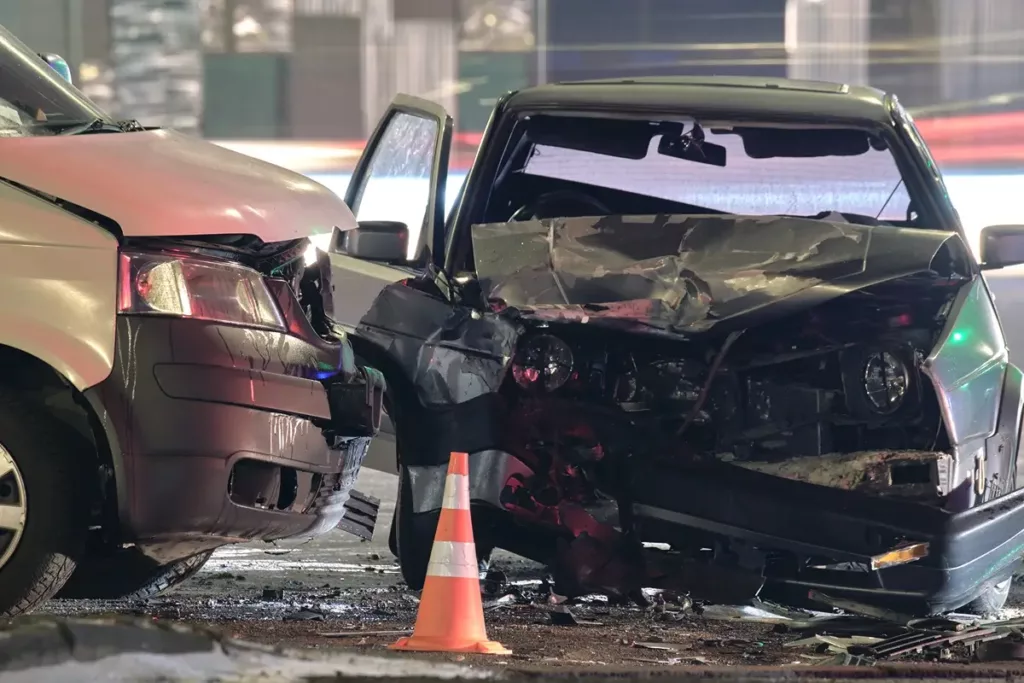
Injured on Homestead’s Roads. Here Is What You Need to Know.
Homestead sits at the end of the road for much of Miami-Dade County. US-1 runs straight through the city on its way to the Florida Keys. Krome Avenue carries agricultural trucks from the Redland farming district. The Florida Turnpike’s Homestead Extension brings commuters from the rest of the county. And every year, millions of tourists pass through on their way to Everglades National Park, Biscayne National Park, and the Florida Keys, many of them driving unfamiliar roads in rental cars at the edge of their knowledge of South Florida.
The result is a road environment that is more varied and in some ways more unpredictable than the urban corridors to the north. Slow-moving farm equipment shares lanes with highway-speed commuters. Tourists navigating by GPS stop unexpectedly at rural intersections. The Homestead-Miami Speedway draws massive race-weekend traffic surges onto roads that are not built for it. Between 2018 and 2021 alone, 28 people died in traffic crashes within Homestead city limits according to Florida crash data, a figure that reflects how serious this city’s road dangers are for a community its size.
If you were hurt in a car accident in Homestead, The Injury Claim Law Firm is ready to help. We represent injury victims in Homestead and throughout Miami-Dade County. Consultations are available in English and Spanish, with no upfront cost and no attorney fee unless we win.
Key Takeaways
- Homestead’s most dangerous roads include US-1 (South Dixie Highway), Krome Avenue (SR-997), the Florida Turnpike Extension (HEFT/SR-821), and Campbell Drive, where the intersection of unfamiliar tourist drivers, agricultural vehicles, and commuter traffic creates conditions for serious crashes.
- Between 2018 and 2021, 28 people died in traffic crashes within Homestead city limits according to Florida crash data, confirming this southernmost Miami-Dade city as one of the most dangerous in the county for its size.
- Miami-Dade County recorded approximately 59,978 crashes in 2024, resulting in more than 29,000 injuries per FLHSMV data, and Homestead’s roads account for a meaningful share of the county’s rural and peri-urban fatalities.
- Florida’s two-year statute of limitations under Florida Statute 95.11 applies to personal injury claims from accidents occurring on or after March 24, 2023.
- The Injury Claim Law Firm handles Homestead car accident cases on a contingency fee basis, with no upfront costs and no attorney fee unless we recover compensation for you.
What Makes Homestead’s Roads Different
Homestead is the southernmost city in Miami-Dade County, positioned between Biscayne National Park to the east and Everglades National Park to the west. Its geographic position at the gateway to the Florida Keys means that US-1 carries a constant flow of traffic with a distinctly different character than the urban expressways to the north.
Agricultural vehicle traffic. The Redland agricultural district, the largest in Miami-Dade County, borders Homestead to the west. Homestead has one of the highest concentrations of agricultural workers in Miami-Dade County, and produce haulers, farm equipment, and slow-moving agricultural vehicles share Krome Avenue and the rural connector roads with regular commuter traffic. When a passenger vehicle encounters farm equipment on a two-lane rural road, the speed differential and limited infrastructure create collision conditions rarely seen in urban Miami-Dade.
Tourist and event traffic. Homestead receives millions of visitors annually, many of them unfamiliar with local roads. Biscayne National Park, Everglades National Park, and the Florida Keys generate year-round tourist volume on US-1 and Card Sound Road. The Homestead-Miami Speedway generates concentrated traffic surges during NASCAR and IndyCar race weekends, when the Florida Turnpike and local roads experience volumes they cannot safely handle.
Long commutes and commuter fatigue. Homestead residents have an average commute time of 35.8 minutes, one of the longer average commutes in Miami-Dade County. Residents commuting north to jobs in Kendall, Doral, and Miami add significant volume to the Turnpike and US-1 during rush hours, and fatigue-related driving is a documented contributing factor in rural highway crashes.
Homestead’s Most Dangerous Roads and Intersections
US-1 (South Dixie Highway)
US-1 is Homestead’s primary commercial artery and its most consistently dangerous road. The intersection of US-1 and SW 312th Street is one of Homestead’s most hazardous, where an excess of turn lanes creates right-of-way confusion and the high speed of through-traffic means collisions are severe when they occur. The intersection of US-1 and SW 288th Street generates a different problem: a lack of turn lanes causes drivers to make abrupt lane changes and frequent failure-to-yield maneuvers.
Krome Avenue (SR-997)
Krome Avenue runs north-south through the agricultural heart of Homestead, and it is among the most dangerous rural roads in South Florida. Its long straight stretches encourage speeding. Its two-lane design creates head-on collision exposure when passing is attempted. Farm equipment slowing to field access points forces drivers into emergency maneuver situations. The intersection of Krome Avenue and Campbell Drive is particularly hazardous because it serves both a high-traffic commercial and residential area and lacks adequate turn lane infrastructure.
Head-on crashes on the rural stretches of Krome Avenue are among the most catastrophic outcomes in Homestead’s accident record, where high-speed collisions on undivided roadway regularly produce traumatic brain injuries and other fatal or life-altering outcomes.
The Florida Turnpike Homestead Extension (HEFT / SR-821)
The Homestead Extension of the Florida Turnpike is the primary high-speed connection between Homestead and the rest of Miami-Dade County. It carries heavy commuter volume during morning and evening rush periods and becomes significantly more congested during Speedway race weekends and holiday periods. Fatal accidents have been documented on this corridor, with speed being a consistent contributing factor. Multi-vehicle chain-reaction crashes at highway speed on the HEFT can involve multiple defendants and multiple insurance policies.
Campbell Drive (SW 312th Street)
Campbell Drive is the primary east-west connector running through the heart of Homestead’s commercial and residential core, linking Krome Avenue to US-1. It serves schools, shopping centers, medical facilities, and residential neighborhoods. The combination of pedestrian traffic near schools, driver congestion at commercial zones, and the high-speed through traffic attempting to cross the corridor creates conditions for side-impact crashes, rear-end collisions, and pedestrian accidents.
Card Sound Road and Florida City Connector Routes
Card Sound Road is the scenic alternate route to Key Largo and serves year-round motorcycle traffic, tourist drivers, and Keys commuters. Its rural two-lane design with limited sight distance at curves produces crash conditions that are difficult to predict and often produce serious outcomes.
The Agricultural Vehicle Dimension
Homestead’s agricultural economy creates a specific accident scenario largely absent from other Miami-Dade cities. Produce haulers leaving the Redland farm district carry heavy loads with long stopping distances. Farm tractors and equipment moving between fields can appear unexpectedly on roads where drivers are accustomed to regular traffic speeds. Flatbed trucks loaded with nursery plants, tropical fruit, and winter vegetables are a daily presence on Krome Avenue and the farm-district connector roads.
When a crash involves a commercial agricultural vehicle, the legal analysis follows the same framework as any commercial truck accident. Federal Motor Carrier Safety Administration regulations, weight-limit statutes, vehicle maintenance records, and the employer’s liability for driver conduct all become relevant. For a full discussion of how commercial vehicle claims are built, see our Florida truck accident lawyer page.
Florida’s No-Fault Insurance System and Your Homestead Claim
Under Florida Statute 627.736, every registered vehicle owner must carry at least $10,000 in Personal Injury Protection (PIP) coverage. After a crash, your own PIP pays first. It covers 80% of reasonable medical expenses and 60% of lost wages, regardless of who caused the accident.
Two rules govern what you actually receive. First, you must seek treatment within 14 days of the crash to preserve your PIP benefits entirely. Second, the full $10,000 in medical benefits is only available if a treating provider establishes an Emergency Medical Condition (EMC) under Florida Statute 627.732. Without an EMC determination, your medical PIP coverage is capped at $2,500.
For serious injuries, the path to full compensation beyond PIP runs through the serious injury threshold under Florida Statute 627.737: significant and permanent loss of a bodily function, permanent injury within a reasonable degree of medical probability other than scarring or disfigurement, significant and permanent scarring or disfigurement, or death. For a complete explanation, see our Florida car accident lawyer page.
Where Homestead Accident Victims Receive Care
Homestead Hospital (Baptist Health) at 975 Baptist Way, Homestead, FL 33033 is the primary acute care facility serving Homestead accident victims. It is part of the Baptist Health South Florida network and provides a full emergency department, trauma-capable services, and specialty care.
Community Health of South Florida’s Doris Ison Health Center provides additional primary and urgent care services for Homestead residents, particularly those navigating treatment without private insurance.
For severe trauma cases arising from high-speed HEFT or US-1 crashes, patients may be transported to Jackson Memorial Hospital’s Ryder Trauma Center in Miami, the region’s Level I trauma center.
Where Homestead Accident Lawsuits Are Filed
Personal injury lawsuits from Homestead car accidents are filed in the Eleventh Judicial Circuit Court of Miami-Dade County at 73 West Flagler Street, Miami, FL 33130. Cases over $50,000 go to Circuit Court. Smaller claims are handled in County Court.
Within Homestead city limits, the Homestead Police Department handles accident reporting. On US-1, the Florida Turnpike Extension, and other state roads, the Florida Highway Patrol typically has primary jurisdiction.
Steps to Take After a Car Accident in Homestead
- Get emergency medical care and call 911. On rural stretches of Krome Avenue or US-1, stay with the vehicle if it is safe and call for help. Do not attempt to move someone who may have a spinal injury. Seek evaluation within 14 days to preserve your PIP benefits.
- Determine the responding agency. Within city limits, the Homestead Police Department responds. On state roads including US-1, Krome Avenue, and the Turnpike, the Florida Highway Patrol has jurisdiction. Note which agency responds and request the report number.
- Document everything immediately. Photograph vehicle damage, road conditions, skid marks, traffic control devices, and any visible injuries. On rural roads like Krome Avenue, there may be no nearby surveillance cameras. Your photographs and witness contacts are the primary evidence.
- Identify agricultural or commercial vehicles. If a farm vehicle, produce hauler, or commercial truck was involved, note the company name, USDOT number, vehicle markings, and any identification on the truck. This information is critical before the vehicle leaves the scene.
- Do not give a recorded statement. The other driver’s insurer will contact you. Do not provide a recorded statement before speaking with an attorney. In Homestead specifically, early statements given in a second language under post-accident stress are regularly used to minimize claims.
- Contact us before accepting any offer. Early settlement offers rarely reflect the full value of serious injuries, particularly in crashes involving commercial agricultural vehicles or Turnpike multi-vehicle crashes. A free consultation costs nothing.
Compensation Available in a Homestead Car Accident Case
Medical expenses cover emergency care, hospitalization, imaging, specialist visits, physical therapy, and all reasonably anticipated future treatment. Whiplash and soft tissue injuries from rear-end crashes on US-1 are among the most common injury types we document.
Lost wages cover income missed during recovery. For Homestead’s agricultural and service workforce, even a short recovery period can represent a significant financial loss.
Lost earning capacity applies when injuries permanently affect the ability to perform physical or occupational work. For workers in agriculture, construction, or other physically demanding fields that make up a significant share of Homestead’s workforce, permanent physical limitations have direct and serious consequences for earnings.
Pain and suffering is available for claims that meet the serious injury threshold. Head-on crashes on Krome Avenue and high-speed Turnpike collisions regularly produce injuries that qualify.
Punitive damages are available in cases involving egregious conduct, including DUI accidents. Tourist-related DUI crashes on US-1 and the Turnpike are a documented problem in Homestead.
If a Homestead crash resulted in death, the family may pursue a wrongful death claim under Florida’s Wrongful Death Act, Chapter 768.
Frequently Asked Questions: Homestead Car Accident Claims
Q. I was hit by a farm truck on Krome Avenue. Who is responsible?
Potentially multiple parties. The driver bears direct liability. The farming operation or labor contractor that employed the driver may be vicariously liable. The vehicle owner’s commercial insurance applies. If the truck was overloaded or had maintenance defects, additional liability paths may exist. We investigate agricultural vehicle crashes from the first contact and preserve evidence, including weight records and employment documentation, before it is altered or lost.
Q. A tourist in a rental car ran a red light on US-1 and hit me. How does that affect my claim?
Rental car crashes involve a specific insurance structure. The renter’s personal auto insurance typically applies first. The rental company’s coverage may also apply depending on the terms. If the renter was from out of state or the vehicle was rented through a corporate account, the coverage analysis becomes more complex. We identify all available insurance sources and pursue each one.
Q. I was hurt on the Florida Turnpike near Homestead during a race weekend. Does that matter?
Race weekend traffic and event-related congestion are documented conditions that can be relevant to comparative fault analysis and to establishing that the at-fault driver was operating in a known high-risk environment. Florida Highway Patrol handles crash investigations on the Turnpike. We work with FHP reports and, where available, Turnpike surveillance footage to build the liability record.
- How long do I have to file a lawsuit after a Homestead car accident?
Under Florida Statute 95.11, as amended by House Bill 837, you have two years from the date of the accident for incidents on or after March 24, 2023. For earlier incidents, the prior four-year deadline applies. Rural crash evidence deteriorates faster than urban crash evidence. Early legal involvement is particularly valuable in Homestead cases.
- I was partially at fault for the crash on Campbell Drive. Can I still recover?
Yes, in most cases. Florida’s modified comparative negligence rule under Florida Statute 768.81 allows recovery as long as you were not more than 51% at fault. Your compensation is reduced proportionally by your share. We evaluate fault questions carefully and contest comparative fault attributions that are inflated by insurers.
- Can my case be handled in Spanish?
Yes, entirely. Homestead has one of the highest Spanish-speaking populations in Miami-Dade County, with approximately 59% of households reporting Spanish as their primary home language per Census data. Every part of our representation is available in Spanish, from the first consultation through resolution.
The Injury Claim Law Firm Serves Homestead
Homestead is a city built on hard work, agriculture, and community. Its residents deserve the same quality of legal representation that is available to injury victims anywhere else in Miami-Dade County, and that is what we provide.
Our Aventura office at 2641 NE 207th Street serves clients throughout Miami-Dade, and we come to you when the drive north is not practical. For clients at Homestead Hospital or recovering at home anywhere in South Miami-Dade, we make the trip.
We know Homestead’s roads, its agricultural vehicle traffic, its tourist crash patterns, and its race-weekend congestion. We know Homestead Hospital and how to build a medical record from the first emergency visit. We know how to investigate a farm truck crash on Krome Avenue and a multi-vehicle Turnpike pileup, and how the liability analysis differs between them.
With over $100 million recovered for clients and more than 100 combined years of personal injury experience, we are ready for whatever Homestead’s roads have produced. Consultations in English and Spanish at no cost. No attorney fee unless we win.
Call the number on our website or use the contact form. The sooner we are involved, the better positioned your case will be.
